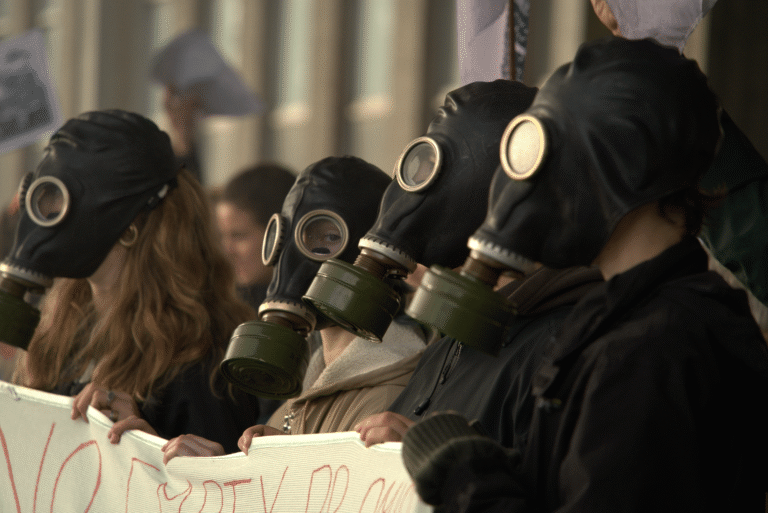

On Friday, hundreds of young people in Cornwall participated in walkouts from lectures and classes as part of the International Youth Strike. Students at Falmouth and Exeter Universities, Truro and Penwith Colleges, and various secondary schools gathered in overwhelmingly peaceful demonstrations on campuses and in towns to protest the conduct of their institutions and the […]
On Friday, hundreds of young people in Cornwall participated in walkouts from lectures and classes as part of the International Youth Strike. Students at Falmouth and Exeter Universities, Truro and Penwith Colleges, and various secondary schools gathered in overwhelmingly peaceful demonstrations on campuses and in towns to protest the conduct of their institutions and the UK government.
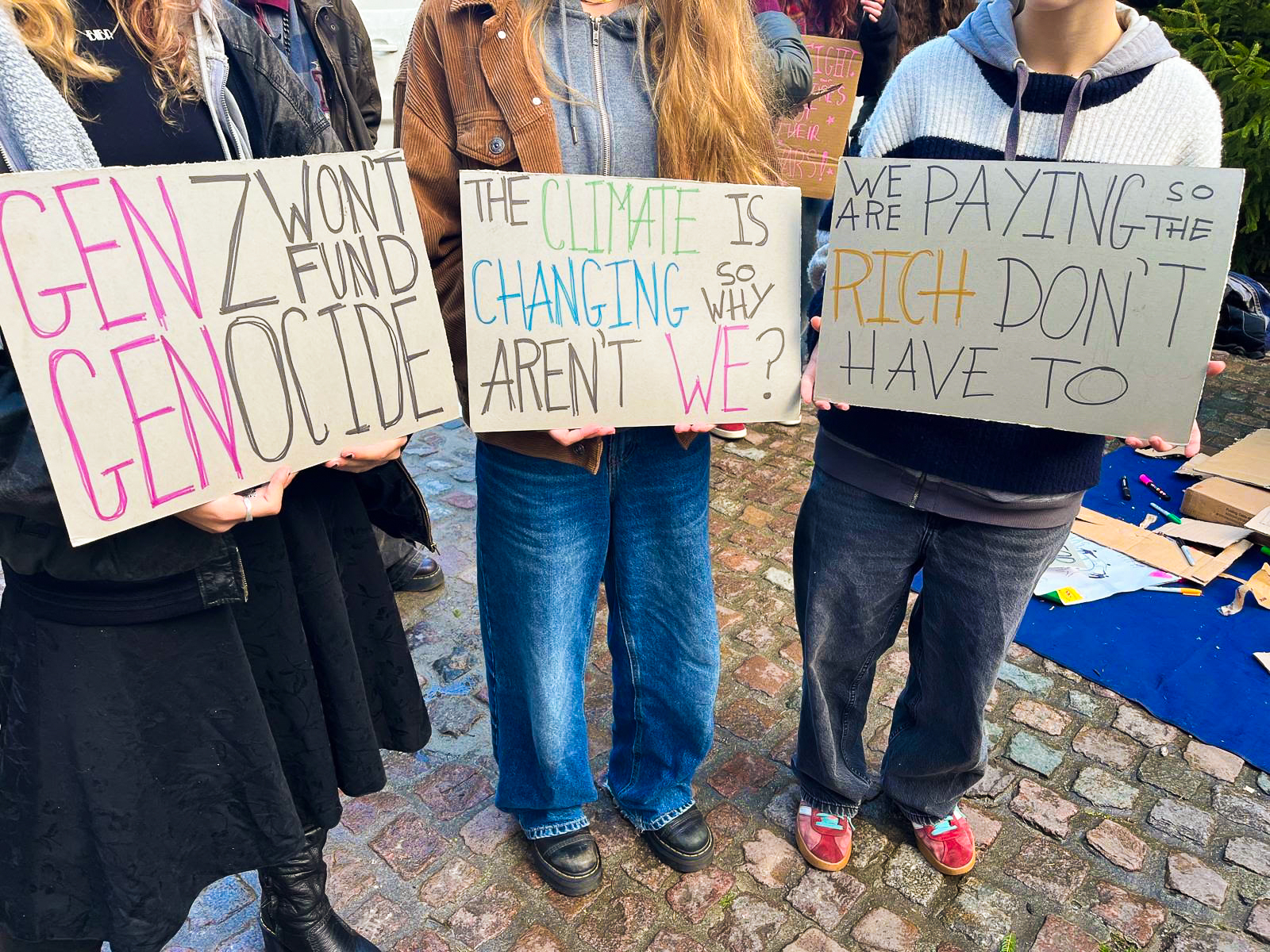
Key grievances named in speeches and on signage included accelerated global heating and ecological destruction, as well as the increased proximity of the education sector to the military-industrial complex. Though taking place alongside the 20th November International Youth Strikes, Cornwall’s demonstrations were organised by local students in coalition with other campaigns. They come after eruptions of so-called Gen-Z protests across much of Europe, India, and Nepal, which utilised online mass mobilisation and alternative media to amplify the struggle against educational mismanagement.
In Penryn, dozens of students gathered to hear and deliver speeches against the University of Exeter’s increased involvement with private sector arms manufacturers and the Ministry of Defence. Alongside this, the crowd heard calls from Falmouth students to fight what they see as the encroachment of Generative AI into their curriculum, with “compulsory AI modules” incorporated into arts degrees. Exeter and Falmouth’s University and Colleges Union (UCU) branches joined the demonstration, as members continue their struggle against the University administration’s semi-regular cuts to faculty jobs and consequent increased class sizes.
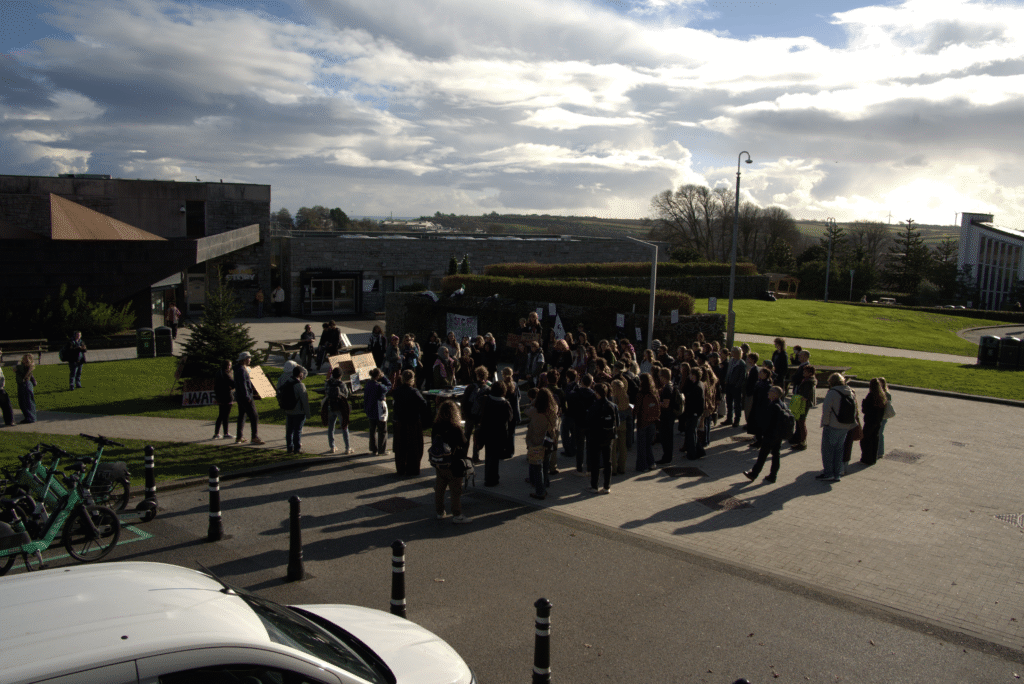
Demonstrators gather outside of the Exchange Building on Friday.
In a press release, organising group Kernow Anticolonialists stated:
“Universities should exist to educate, challenge injustice and contribute to a better future, not to strengthen an industry built around warfare. We find it deeply concerning that the University of Exeter continues to develop its relationships with arms manufacturers and military institutions while humanities subjects and the staff who teach them face cuts and redundancies. We have to ask what kind of university we are building, and whose interests it is serving.
“We are coming together on 20 November because students and staff deserve transparency and accountability. We want the university to disclose the full extent of its involvement in the arms industry, divest from companies implicated in human rights abuses, and end partnerships that contradict its stated values. We are also calling on Falmouth University and FXPlus to ensure that workers’ pensions are invested ethically.”
The campaigns wider demands would see the University of Exeter “end research, consultancy and academic partnerships with arms manufacturers and institutions contributing to human rights abuses.” and “Divest from arms manufacturers and companies implicated in human rights violations.” They are similar to those put forward by previous campaign group FalEx4Palestine, which organised an encampment and demonstrations in 2024 and 2025.
Cobblestone Media sought comment from the University of Exeter regarding Friday’s demonstration and their increased involvement in the defence sector. A spokesperson for the University of Exeter did not comment on the research partnerships and signature to the University-Defence Alliance, but said of the protest:
“We respect the right to protest, provided it is conducted in a safe and legal manner.”
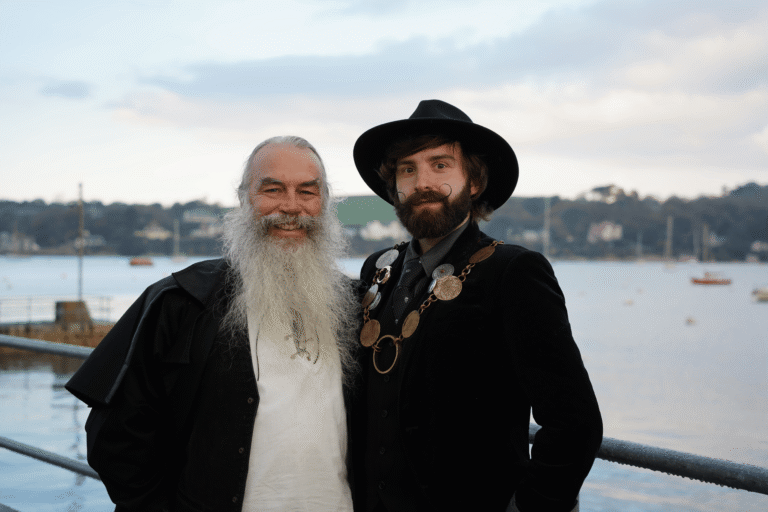
Truro Cathedral, a common site for public demonstrations in recent years, saw Truro College students come together for speeches and joyful performances. Focussing more on explicitly ecological concerns, speeches noted the government’s choice to reopen conversations on the drilling of North Sea oil and natural gas, and the accelerating ecological destruction that will follow. Organisers for DykesDykesDykes said they felt a profound sense of betrayal as a result of government decisions to over-rely on the fossil fuel industry for energy production and use – as one student said:
“It is a direct message from the youth voice to an adult world whose decisions now will affect our generation and the generations ahead of us the most.”
Another expressed her reasons for participating in a statement:
“I’m striking because I believe that children deserve a future not dictated by the poor decisions of the aging upper class. I believe that above all education is the most important thing a child can be given and war is senseless violence only driven by greed.
“It’s been received quite well by our lecturers, there’s been very little pushback. I think all of them are aware that young people deserve a better future – because ultimately your educators are here because they want to take care of you, they want to make sure you get to university and have a good future, but it’s ultimately the government that’s making that a difficult thing to do today.”
On the inspiration they took from French and other youth protests, the same student said:
“The UK has, historically, been very against protest, in any way. So, seeing other students manage to make change – like in France – where they secured better funding for their education, it showed every young person across the world that they can actually make a change and actually do something. We also saw the beautiful music that was happening in France and Spain and it reminded us that art is a weapon for change and we wanted to show that today.”
Police responses to demonstration callouts claimed officers would be present at demonstrations to “engage with participants, help ensure public safety and minimise disruption where possible.” Although no officers were present in Penryn, one Police officer and Police Liasson Officer made a momentary appearance at Truro Cathedral.
Images via: Cobblestone Media.